
Table of Contents
In mining, change rarely arrives quietly. It builds over time in pilot projects, new regulations and “temporary” workarounds, then suddenly it feels like the whole industry has shifted at once.
That is the position many Australian mine operators are heading into for 2026. Automation and AI are moving out of the trial phase and into day to day operations. ESG expectations and decarbonisation targets are tightening. At the same time, the push to build safer, more resilient mine sites is reshaping how operators think about communications, power and infrastructure across the pit and plant.
The thread through all of this is technology, particularly the mining communication systems and site infrastructure that keep everything connected. In this article, we look at three mining technology trends for 2026 and what they mean for mine operators across Australia, plus how MTGA can help you stay productive, safe and future ready.
Why 2026 will be a turning point for Australian mining
The pressure on Australian mine operators is rising on several fronts.
On one side, productivity expectations remain high. Autonomous haulage, remote operations and digital tooling are no longer “nice to have” experiments. They are becoming central to how leading miners run large surface operations and remote sites, with global deployments of automated equipment expected to keep growing this decade.
On the other side, ESG and decarbonisation targets are hardening. Australia’s Resources Sector Plan is aimed at steering the resources industry towards a net zero economy by 2050, with nearer term targets for national emissions reduction by 2030. For mining, that translates into concrete expectations around energy use, diesel dependence, emissions reporting and community impact.
Overlay this with a continued focus on safety, skills and regulatory compliance, and 2026 becomes less about “trying a bit of new technology” and more about building a coherent strategy. The mines that will pull ahead are the ones treating communications, power and monitoring as core infrastructure, not afterthoughts.
Trend 1: Automation, AI and data driven operations go mainstream
Automation and AI have been on the radar for years, but 2026 is when they really start to define how mines operate day to day.
What this looks like on site
Across Australia and globally, mines are scaling up from individual autonomous trucks and isolated tele-remote systems to broader, integrated fleets that include haulage, drilling, dozing and even auxiliary equipment. These systems rely on real time data and decision support from AI models trained on huge volumes of operational information.
At the same time, AI and advanced analytics are being used to:
- Optimise haul routes, equipment utilisation and fuel consumption
- Support predictive maintenance and condition monitoring
- Sharpen planning and scheduling decisions
- Improve security and traffic management through smart video analytics
The goal is simple. Move more material, with more certainty, while keeping people further away from harm.
Remote operations centres are a big part of this story. Moving control rooms off the pit and into regional hubs or capital cities removes people from hazardous areas and allows specialists to support multiple sites more easily.
Why mining communication systems matter
None of this works without reliable, high capacity communication networks.
Autonomous trucks, smart drills, cameras, radar and IoT sensors all need deterministic, low latency connectivity to operate safely and effectively. For many sites, that means moving beyond legacy radio and Wi Fi patchwork to technologies like private LTE and 5G class networks, supported by satellite backhaul where required.
This is familiar territory for MTGA. The team has helped design and build mining communication solutions that include one of Australia’s first private LTE networks, integrating more than 20 applications into a single, site wide platform.
With vendor agnostic engineering capability, MTGA can design mining communication systems for 2026 that:
- Support autonomous and tele-remote systems
- Carry high volumes of operational data and video
- Integrate safety, fleet and business applications
- Allow you to scale from pilot to full production without reworking the whole network
If you are planning new automation projects for 2026, your communications roadmap should be part of the first conversation, not something left to retrofit.

Trend 2: ESG, decarbonisation and smarter site infrastructure
Sustainability in mining is no longer just about “doing the right thing”. It is increasingly a licence to operate issue that affects access to projects, capital and talent.
The decarbonisation context
Australian mining companies are aligning with national and global targets for emissions reduction and net zero by 2050, backed by growing investor and customer scrutiny.
Net zero mining is rapidly becoming the expected goal, and for many sites the business case is already positive, with renewables and electrification offering lower lifetime costs than traditional fossil fuel systems.
For mine operators on the ground, this translates into questions like:
- Where can we reduce diesel usage fastest?
- How do we electrify site services without compromising reliability?
- How do we demonstrate real progress, not just future intent, to stakeholders?
Smarter, lower carbon infrastructure
This is where the focus shifts from big picture targets to practical, site ready solutions.
Mobile diesel gensets, noisy pump units and ad hoc wash down setups are all under scrutiny. Replacing them with electric alternatives is a straightforward way to cut emissions, reduce noise and simplify maintenance.
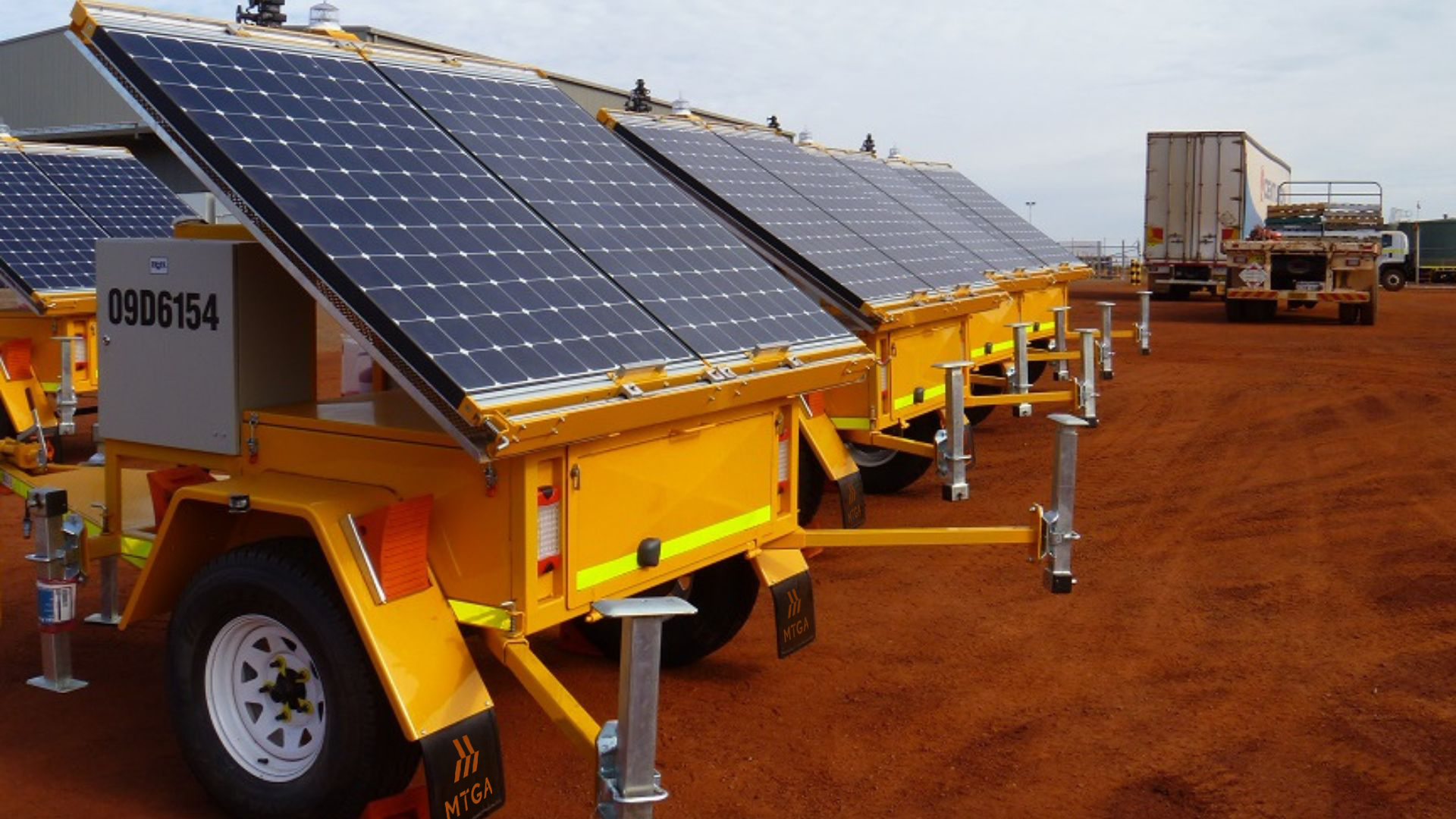
MTGA’s Decarbonisation Range is designed for exactly this challenge. The Battery Power Trailer provides a fully electric replacement for conventional generator trailers, delivering three phase power from a high capacity LiFePO₄ battery bank, with rugged construction for off road mining environments.
The Battery Wash Down Trailer brings high pressure industrial washing to remote or regulated areas using an electric pump and lithium battery system, without the noise and fumes of diesel driven units.
For operators looking at mining technology trends for 2026, these kinds of plug in, site ready decarbonisation solutions are a practical way to:
- Cut scope 1 emissions on auxiliary services
- Reduce fuel logistics complexity
- Improve working conditions for crews
- Demonstrate visible progress against ESG commitments
When you pair this with intelligent communications and monitoring, you also gain better visibility of actual utilisation and performance, which feeds the wider ESG reporting picture.
Trend 3: Safety, resilience and remote operations
Safety has always been central to mining, but the definition of a “safe mine” is changing.
In 2025 and beyond, mine safety trends increasingly focus on automation, AI supported monitoring, remote operations and stronger ESG controls, all underpinned by digital systems. Regulators, workers and communities expect that operators will use available technology to reduce exposure to hazards and improve incident response.
From compliance to resilience
Beyond traditional safety systems, operators are thinking more about overall resilience.
That includes:
- Maintaining communications during weather events, fibre cuts or equipment failures
- Ensuring workers can raise an alarm and be located quickly anywhere on site
- Monitoring slopes, structures and environmental conditions in real time
- Supporting secure, reliable access control for autonomous and mixed traffic zones
The shift to tele-remote and autonomous operations adds another layer. The communications and power systems that support remote control rooms, autonomous haulage and site awareness technology cannot be “best effort”. They need to be designed like critical safety systems.
MTGA’s role in safer, more resilient sites
MTGA already supports this trend across multiple fronts.
On the communications side, MTGA designs and delivers mining communication solutions that provide site wide connectivity for voice, data, CCTV and IoT, including mobile communication skids and trailers, fixed base stations and communication masts tailored to each site.
On the technology side, MTGA’s Autonomous Vehicle Technology offering helps mines install and integrate aftermarket autonomous and site awareness systems across heavy haulage, support and light vehicle fleets, supporting safer traffic management and autonomous haulage zones.
Combined, these capabilities support mining communication systems that:
- Improve visibility of workers, vehicles and assets across the whole site
- Provide resilient connectivity for safety systems and remote operations
- Enable better compliance reporting and incident investigation
- Help keep people out of harm’s way wherever possible
How MTGA supports future ready mining communication systems
All three trends intersect at one point: the need for reliable, flexible, future ready infrastructure. MTGA is focused on precisely that, bringing together.
Mining communication solutions
Vendor agnostic design and delivery of high capacity networks for mining, including private LTE and other advanced technologies, supported by engineering, maintenance and remote network services.
Decarbonisation ready power and services
Fully electric Battery Power and Wash Down Trailers that remove diesel from key site services while maintaining performance in harsh Australian conditions.
Autonomous vehicle and site awareness support
Installations and supporting infrastructure for autonomous vehicle technology, SAB rapid deployment kits and A Stop charging solutions that complement your autonomy roadmap.
Because MTGA sits across communications, power and autonomous systems, the team can help you think about 2026 not as a set of separate projects, but as a coherent roadmap for your mine.
Where to start for your 2026 roadmap
Every site is different, but a few starting points are common across most operations:
Map your current communications footprint
Identify coverage gaps, ageing equipment and bandwidth bottlenecks that could hold back automation, IoT or safety projects.
Prioritise high impact decarbonisation wins
Look for diesel powered trailers, gensets and services that could be replaced with electric and solar alternatives without major redesign work.
Align safety and technology projects
When you plan new mining technology for 2026, consider how it will support safety outcomes, not just productivity.
Plan for integration, not just installation
Make sure new systems can share data over a robust network, so you avoid siloed applications that are hard to manage and support.
Talk early with your technology partners
Bringing MTGA into the conversation at the planning stage lets you design mining technology and communication systems together, rather than trying to retrofit communications onto projects that have already been scoped.
If you are looking at automation projects, decarbonisation initiatives or upgrades to your mining communication systems for 2026, the MTGA team can help you turn ideas into a practical, site ready plan. Reach out to MTGA to discuss your site, timeframes and priorities, and explore how future focused mining technology solutions can support safer, more productive and more sustainable operations.

